
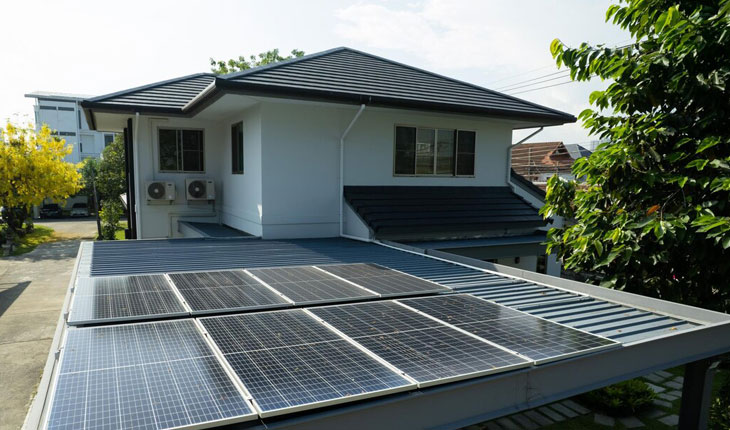
Residential energy use has entered a period where responsiveness matters as much as production. As smart solar homes become more common, households no longer interact with the grid as passive consumers following fixed usage patterns. Freedom Forever Reviews reflect a market where solar systems are often paired with monitoring tools and digital dashboards that provide greater visibility into production and usage.
Energy is no longer treated as an unlimited resource delivered on demand. Instead, households view power as something that can be adjusted, deferred, or redirected based on real-time conditions. Grid responsiveness places homes within a larger energy ecosystem rather than positioning them as isolated endpoints.
Grid Dependence Defined: Residential Energy Use
For decades, residential energy use followed a dependent model. Homes drew electricity as needed, regardless of grid strain or demand peaks. Utility infrastructure absorbed fluctuations, leaving households largely unaware of broader system conditions.
This model encouraged static usage patterns. Appliances, climate systems, and lighting operated on fixed schedules or manual control. Energy flowed one way, from the grid to the home, without feedback or adjustment. Dependence defined the relationship.
Smart Homes Introduce Grid Awareness
Smart homes change this relationship by introducing awareness of grid conditions. Connected systems receive signals related to demand levels, pricing windows, or supply constraints. This information allows homes to adjust behavior in response to external conditions.
Awareness replaces isolation. Homes begin factoring grid conditions into daily operation, shifting activity when demand rises or supply tightens. Energy use becomes situational rather than automatic, reflecting conditions beyond the household.
Solar Anchors Responsive Behavior
Solar systems play a central role in grid responsiveness. On-site production reduces reliance on grid supply while providing flexibility during peak periods. When solar output is high, homes draw less from the grid without sacrificing activity.
This anchoring role allows homes to respond rather than react. Solar provides a buffer that supports adjustment without disruption. Homes rely on internal resources before turning outward, reducing strain during high-demand windows.
Storage Extends Responsiveness Beyond Daylight
Battery storage extends grid responsiveness beyond daylight hours. Without storage, responsiveness remains tied to production timing. Batteries allow homes to carry responsiveness into evenings and overnight periods.
Stored energy supports strategic decisions. Homes draw from batteries during grid stress rather than increasing demand. Storage allows responsiveness to remain consistent regardless of sunlight conditions. This capability enhances reliability during peak periods and unexpected disruptions. Households can maintain predictable energy behavior even when external conditions fluctuate. Over time, storage becomes a stabilizing asset that supports both cost control and grid participation.
Automation Executes Grid-Aware Decisions
Automation enables responsiveness without constant homeowner involvement. Smart systems interpret grid signals and adjust operation accordingly. Appliances, climate systems, and charging schedules shift automatically.
This execution happens quietly. Homes maintain comfort while adjusting energy flow behind the scenes. Automation keeps responsiveness, making it feel seamless rather than intrusive. Adjustments occur in small increments that go largely unnoticed. Daily routines continue without interruption as systems respond in real time. This unobtrusive operation reinforces trust in automated energy management.
Usage Patterns Become Adaptive
Adaptive usage replaces static schedules. Instead of operating devices at fixed times, smart homes adjust activity based on grid conditions and internal availability. Usage follows signals rather than habits alone. Homeowners can see the direct impact of timing changes on overall consumption. This feedback helps connect individual actions to broader system outcomes. Over time, visibility encourages more informed participation in responsive energy use.
This adaptability reduces strain during peak demand. Homes contribute to system balance by smoothing consumption. Responsiveness turns households into active participants rather than fixed loads.
Visibility Supports Responsive Behavior
Visibility reinforces grid responsiveness by showing how adjustments affect usage. Dashboards and monitoring apps display when homes shift behavior and why. This clarity builds understanding of responsiveness. Homeowners can see the direct impact of timing changes on overall consumption. This feedback helps connect individual actions to broader system outcomes. Over time, visibility encourages more informed participation in responsive energy use.
Homeowners gain insight into how their homes interact with the grid. Visibility turns responsiveness into something households can observe rather than assume, supporting confidence in automated decisions.
Customer Feedback Reflects Grid Interaction Awareness
Homeowner feedback increasingly references awareness of grid interaction. As homes respond dynamically, households notice smoother operation during high-demand periods. In online discussions, including Freedom Forever reviews, users often highlight appreciation for systems that adjust during different conditions rather than focusing solely on output.
These observations suggest that responsiveness influences satisfaction. Reviews reflect appreciation for systems that manage complexity without requiring attention. Grid responsiveness becomes part of perceived reliability.
Grid Responsiveness Supports System Stability
Responsive homes support broader grid stability by reducing peak demand. When many homes adjust usage simultaneously, strain decreases without centralized intervention. This distributed response supports resilience. Small, coordinated actions across households create meaningful collective impact. Grid operators benefit from smoother demand curves without relying solely on large-scale infrastructure changes. As participation grows, responsiveness becomes a foundational element of a more adaptable energy system.
Homes function as flexible nodes within the grid. Responsiveness spreads adjustment across many participants, reducing reliance on infrastructure expansion. Residential behavior becomes part of system management.
Planning Shifts with Responsive Homes
Grid responsiveness influences household planning. Homes factor grid interaction into decisions about storage, automation, and future upgrades. Energy planning becomes more strategic. Households consider how their systems respond during peak demand or grid stress events. This awareness shapes choices that balance independence with reliability. Over time, planning reflects a deeper understanding of how home energy fits within broader infrastructure.
This shift reflects a move away from dependence. Homes prepare for variability rather than assuming a constant supply. Responsiveness supports confidence in managing change rather than avoiding it.
Expectations for Modern Energy Homes
As grid responsiveness becomes more common, expectations around residential energy use change. Smart homes align behavior with conditions rather than fixed patterns. Responsiveness replaces dependence as the defining model.
Coordination and communication increasingly define how modern energy homes perform. Smart systems succeed when they respond intelligently to external signals, adapting in real time to broader energy conditions. As grid responsiveness becomes more integrated into home energy design, households participate more actively in shared energy systems, strengthening reliability and supporting a more balanced and connected power network.
