
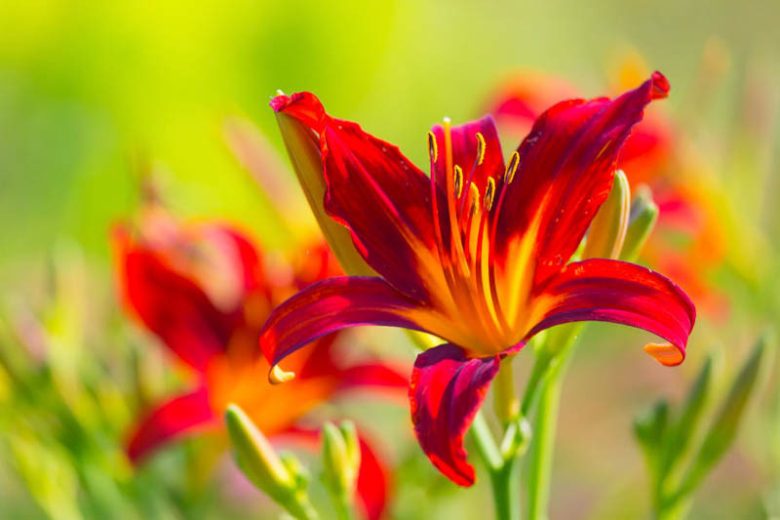
Color repetition is one of the quiet arts of ornamental gardening. It can make separate beds feel related, pull the eye along a path, and give a garden a sense of intention that visitors may feel before they understand why. Daylilies are especially useful for this because their flowers can be vivid or subtle, while their foliage provides a repeated shape even outside the main bloom period. The premier grower of Daylily plants https://swallowtail-daylilies.com/ advises gardeners to use color repetition with restraint. Daylilies can carry a color through a garden very effectively, but the strongest plantings usually repeat a mood or color family rather than the same loud note everywhere. Repetition should make the garden feel connected, not overly arranged.
Gardeners looking at daylily plants for sale often begin with individual favorites, but a stronger garden may come from thinking in color threads. A thread might be gold, rose, lavender, cream, red, or a blend of warm sunset tones. Once that thread is chosen, daylilies can help carry it through the garden in a way that feels natural and seasonal.
Why Repetition Feels Natural in a Garden
Natural landscapes often repeat forms and colors without perfect symmetry. A meadow may repeat grasses, a woodland may repeat leaf shapes, and a shoreline may repeat the same tones of stone and water. Gardens feel more settled when they borrow that principle. Repetition helps the eye understand the space and move through it without confusion.
In ornamental beds, repetition is especially useful because gardeners often collect many plants. Variety is appealing, but too much unrelated variety can make a garden feel scattered. Repeating daylily color or form gives the planting a visual grammar. It tells the eye that separate moments belong to the same design.
The repetition does not need to be obvious. A warm daylily near the front walk, a related tone near the patio, and a softer version in a distant border may be enough. The garden feels connected because the color appears again in a new context, not because every bed contains the same exact plant.
Repetition feels natural when it includes pauses. In music, repeated notes need silence around them; in gardens, repeated colors need foliage, texture, and open visual space. Daylilies can carry a color beautifully, but the surrounding bed should not be filled with nonstop competition. Allowing green structure or quieter flowers between repeated clumps makes the color more legible. The eye recognizes the relationship without feeling pushed. This is especially important with strong colors, which can lose elegance if they appear too often without rest.
Natural repetition often includes slight imperfection. A garden does not need identical clumps to feel coherent. In fact, small differences in tone, height, and companion planting can make the repeated color feel more alive and less manufactured.
Choosing a Color Thread Rather Than a Single Match
A color thread is more flexible than a color match. Matching asks two flowers to look nearly identical, which can be difficult and sometimes unnecessary. A thread allows related colors to work together. Soft yellow, warm gold, and apricot can belong to the same story. Rose, pink, and wine can create another. Lavender and purple can move through a garden with depth and variation.
Daylilies support this approach because their colors often contain undertones. A flower may read as yellow from a distance but reveal green, cream, or peach nearby. Another may look red at first glance but carry a darker eye or warmer throat. These details allow the gardener to build color relationships with subtlety.
The thread should respond to the setting. A garden with brick walls may welcome warm tones. A garden with gray stone may support cooler colors. A wooded edge may call for creams and soft golds that brighten shade-adjacent views. Repetition works best when it belongs to the place.
Choosing a thread also helps avoid disappointment when blooms vary slightly with weather, light, or age. A flower may look deeper on a cool morning and brighter in afternoon sun. If the design depends on an exact match, that variation can feel like failure. If the design depends on a color family, the variation becomes part of the charm. Daylilies are living plants, not paint chips. Treating them as part of a flexible thread allows the garden to remain coherent while still feeling alive.
A color thread should be chosen with the garden’s quiet months in mind. If the same tone appears in bark, stone, dried grasses, or evergreen foliage, the summer bloom will feel connected to a longer visual story.
Placing Repeated Clumps at Human Eye Level
Color repetition is not only about where plants sit on a plan. It is about where people notice them. A clump beside a path, one across from a bench, and one visible from a window may connect more effectively than three clumps hidden in the same deep border. The human route through the garden should guide placement.
Eye level changes with position. From a chair, a medium-height daylily may be a strong feature. From an upstairs window, the same clump may read as a patch of color in a larger pattern. From a path, the flower may be seen in detail. Repetition should consider these different views.
Spacing between repeated clumps should allow the eye to travel. If repeats are too close, they may feel like one block. If they are too far apart, the connection may be lost. The best distance depends on garden size, sight lines, and the strength of the color. Vivid colors can be used more sparingly, while softer tones may need closer repetition to register.
Human eye level includes movement through time as well as space. A clump seen on the way to the mailbox may matter every morning, while one near a terrace may matter most in the evening. Repeated color can be placed to support these daily rituals. A warm flower near an evening seating area may catch low light beautifully. A pale bloom near a morning path may feel fresh and clear. When repetition is tied to real use, it becomes more than visual theory. It becomes part of the way the garden is experienced.
Eye-level placement also depends on distance. A vivid clump across a lawn may read clearly, while a pale one may need to be closer. The gardener should match color strength to the distance from which it will usually be seen.
Connecting Daylilies With Foliage and Hardscape
Flower color is easier to repeat when it connects with non-floral elements. A golden daylily may echo gravel, timber, or late-season seed heads. A red flower may relate to brick, painted furniture, or autumn foliage. A cream bloom may soften pale stone or light siding. These connections make repetition feel rooted in the garden rather than imposed on it.
Foliage is part of the connection too. Daylily leaves create a repeated green fountain shape that can link beds even when flowers are not open. Pairing that shape with contrasting foliage makes the repetition stronger. Broad leaves, fine grasses, and upright stems all help the daylily form stand out.
Hardscape can also set limits. A small courtyard may not need strong color repeated many times. A long path or broad border may benefit from a more deliberate sequence. The gardener should let the scale of the built space influence how often the color appears.
Foliage and hardscape can sometimes suggest unexpected color choices. A gray stone path may make lavender or cream daylilies feel especially refined. A weathered wooden fence may support warm golds and soft oranges. Dark evergreen shrubs may give pale daylilies a background that makes them glow. These relationships help repeated color feel grounded. Instead of choosing a flower and then trying to force it into the space, the gardener lets the existing garden suggest which color thread has the best chance of feeling natural.
Hardscape connections can be subtle. A cream flower near pale gravel or a warm bloom near wood may not be consciously noticed by visitors, but the relationship still makes the garden feel calmer and more complete.
Avoiding a Pattern That Looks Too Mechanical
Repetition becomes mechanical when it is too even, too obvious, or too disconnected from plant behavior. A row of identical clumps at identical intervals may work in a formal design, but it can feel stiff in a relaxed ornamental garden. Daylilies are living plants with changing flowers and foliage, so they often look better when repeated with a little looseness.
One way to avoid stiffness is to repeat role instead of exact position. A daylily might mark the entrance to a bed, then appear again near a curve, then return near a seating area. The placements respond to the garden rather than to a measuring tape. The result feels designed but not rigid.
Another way is to vary companions. The same color can look fresh when paired with different textures in different areas. Near a path it may sit with low edging plants. In a back border it may rise among grasses. Variation keeps repetition alive.
A mechanical pattern can also happen when every repeated plant is the same size and distance from the viewer. Varying depth helps. One clump may sit near the front of a bed, another may appear farther back, and a third may be glimpsed through a companion plant. This creates a layered repetition that feels more like a garden and less like a diagram. Daylilies are well suited to this because their flowers can be noticed even when the clump is partly woven into a mixed planting.
A pattern looks less mechanical when repeated plants interact with different companions. One clump might meet grasses, another might sit near shrubs, and another might rise above low perennials. The color repeats, but the scene changes.
Letting Repetition Mature Over Several Seasons
Color repetition improves as plants mature. A first-year daylily may suggest the pattern, while a three-year clump can carry it with confidence. Gardeners should allow time for the design to develop before judging it too harshly. Some connections become clear only when plants reach their intended scale.
Maturity also creates opportunities. A strong clump can be divided and repeated elsewhere, extending a successful color thread without starting from nothing. This is one reason daylilies are valuable in long-term garden design. They can help a gardener build coherence gradually.
The art of repeating color is really the art of making a garden feel whole. Daylilies offer both flower and form for that purpose. Used with restraint, observation, and patience, they can carry color through a space in a way that feels generous, personal, and deeply gardened.
Mature repetition should be reviewed every few years. As shrubs grow and perennials expand, a once-clear color thread may become hidden or too heavy. Division, relocation, or the addition of calmer companions can restore balance. This review is not a sign that the original design failed. It is part of maintaining a living composition. Daylilies make the process easier because they can often be divided and reused, allowing the gardener to refine the color story without starting over.
As the garden matures, repeated color may need thinning as much as expansion. Too many successful clumps can eventually feel heavy. Division and editing keep the idea clear, which is more important than preserving every plant in place.
Color repetition is most successful when it feels discovered rather than imposed. A visitor should sense that the same warm, cool, pale, or vivid note is guiding the garden, even if the pattern is not immediately obvious. Daylilies can provide that note with enough strength to matter and enough flexibility to remain natural. Their value lies in helping separate plantings feel like one thoughtful place. Over time, the repeated color can become part of the garden’s identity, returning each summer with familiar but still lively presence. The effect is subtle, but it is often what makes a garden feel finished.
