
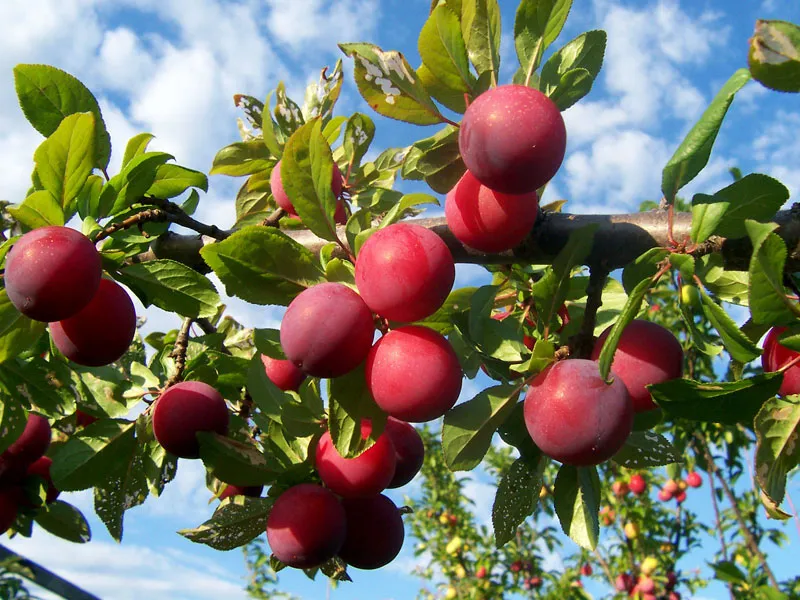
Growing plums in a British garden is far less complicated than many people assume. Modern rootstocks, compact training systems and carefully selected varieties mean that even a modest plot can support a productive tree. For beginners in particular, self fertile plums offer a straightforward starting point because they do not rely on a second compatible tree for pollination. With the right choice, you can expect reliable crops, manageable growth and fruit suited to fresh eating, cooking or preserving.
Many first-time gardeners start researching where to buy fruit trees once they realise how much variety exists within plums alone. The key is to select cultivars that are proven in UK conditions, tolerant of changeable weather during blossom time, and suited to smaller gardens.
The fruit trees specialists at Fruit-Trees advise beginners to focus on well-established, self fertile varieties that have demonstrated consistent cropping across different parts of the country. They recommend selecting quality nursery stock from a reputable supplier and matching the rootstock to the space available. For guidance on suitable plum trees, including information on rootstocks and pollination groups, they suggest reviewing detailed variety descriptions before planting. They also emphasise that correct planting depth, soil preparation and early formative pruning are just as important as variety choice in securing long-term success.
Why Self Fertile Plums Are Ideal for UK Beginners
In simple terms, a self fertile plum can set fruit with its own pollen. While pollinating insects still play a role in transferring pollen within the tree, you do not need a second plum of a compatible pollination group nearby. This removes one of the most common barriers facing new growers: uncertainty about matching varieties and ensuring overlapping blossom times.
In the UK climate, spring weather can be unpredictable. Cold snaps, rain and wind can reduce bee activity during blossom, which in turn affects fruit set. Self fertile varieties tend to offer a measure of resilience in these conditions because even limited insect movement can be enough to pollinate flowers within the same tree. Some self fertile plums will still benefit from a nearby pollination partner, but they are capable of cropping alone.
For beginners with smaller gardens, patios or allotments, space is often limited. A single tree trained as a bush, pyramid, fan or even grown in a large container can provide ample fruit for a household. Modern rootstocks such as St Julien A help control vigour, keeping trees within a manageable size without sacrificing productivity.
Another advantage is planning simplicity. When you buy fruit trees for a new garden project, it is easy to become overwhelmed by pollination charts and compatibility tables. Self fertile plums reduce this complexity. You can concentrate on site selection, soil preparation and pruning technique rather than worrying about cross-pollination logistics.
That said, “self fertile” does not mean maintenance-free. Plums still require careful pruning to avoid silver leaf disease, attention to watering in dry spells, and protection from late frosts where possible. However, by eliminating the need for multiple varieties, beginners can build confidence with one reliable tree before expanding their orchard.
Victoria: The Classic British Garden Plum
No discussion of beginner-friendly plums in Britain would be complete without Victoria Plum. Introduced in the 19th century and named after Queen Victoria, it has remained a firm favourite in gardens across England, Wales and beyond. Its enduring popularity is not accidental.
Victoria is self fertile and reliably productive. In good seasons, it can produce heavy crops of medium to large, oval fruit with a yellow-green base and a distinctive red flush. The flesh is sweet when fully ripe, making it suitable for eating fresh from the tree, yet it retains enough acidity to perform well in crumbles, jams and bottling.
For beginners, Victoria offers several practical advantages. It tolerates a range of soils provided drainage is adequate, and it responds well to standard bush training. On St Julien A rootstock, it typically reaches around three to four metres at maturity if left unpruned, though regular summer pruning can keep it more compact.
Its blossom appears in mid-spring and, being self fertile, it will set fruit without a partner. However, if another compatible plum is nearby, cropping can be even heavier. This flexibility makes it ideal for gardeners who may later expand their planting.
There are, however, points to manage carefully. Victoria is known for producing very heavy crops, which can lead to branch breakage if fruit is not thinned. Beginners should learn to remove excess fruitlets in early summer, spacing them a few centimetres apart. This improves fruit size, reduces strain on the tree and helps prevent biennial bearing, where a heavy crop one year leads to a light crop the next.
Overall, Victoria remains a benchmark variety: dependable, versatile and well suited to British conditions.
Opal: Early Cropping and Sweet Flavour
For gardeners keen to harvest plums earlier in the season, Opal Plum is frequently recommended by orchard specialists. Originating in Sweden, Opal has adapted well to UK conditions and is valued for its sweet flavour and attractive appearance.
Opal is self fertile and typically ripens in late July or early August, earlier than Victoria. This can be advantageous in cooler parts of the country where later varieties may struggle to fully ripen in poor summers. The fruit is medium-sized with purple-blue skin and golden flesh, and when left to ripen properly, it develops a rich sweetness that appeals to children and adults alike.
From a practical perspective, Opal is relatively compact and manageable, especially on semi-vigorous rootstocks. It lends itself well to bush or pyramid forms and can even be trained against a sunny wall as a fan in smaller gardens. Early ripening also reduces the risk of wasp damage later in the season, though netting may still be required to protect against birds.
Opal tends to crop heavily and regularly, which makes it rewarding for beginners who want quick results. Its blossom appears early to mid-spring, so in frost-prone areas it may benefit from a sheltered site. Planting near a south-facing wall can provide a slightly warmer microclimate, improving fruit set.
In terms of maintenance, Opal requires the same careful pruning approach as other plums. Pruning should be carried out in summer to reduce the risk of silver leaf disease. Formative pruning in the first few years is particularly important to establish a strong framework capable of supporting future crops.
For those starting out and keen to see results within a short timeframe, Opal offers a satisfying combination of early harvest, reliable self fertility and excellent flavour.
Marjorie’s Seedling: Late Season Reliability
At the other end of the season sits Marjorie’s Seedling, a late-ripening plum that extends the harvest into September. For beginners who want to spread their fruit supply over several weeks, this variety provides valuable continuity.
Marjorie’s Seedling is self fertile and known for heavy, dependable crops. The fruit is medium to large, oval and dark purple with firm, greenish-yellow flesh. It is particularly well suited to cooking, bottling and jam-making, though when fully ripe it can also be eaten fresh.
One of its strengths is resilience. Marjorie’s Seedling tends to cope well with a range of UK climates and is often regarded as one of the more forgiving varieties in less-than-ideal summers. Because it ripens later, it benefits from a reasonably sunny site to ensure full flavour development. In cooler regions, a sheltered position is advisable.
Growth can be fairly vigorous, so choosing an appropriate rootstock is important in smaller gardens. With proper summer pruning, it can be maintained as a manageable bush. As with Victoria, fruit thinning may be required in heavy cropping years to maintain fruit size and protect branch structure.
For beginners who may be uncertain about timing and maintenance, Marjorie’s Seedling offers reassurance. Its self fertility simplifies pollination, and its late harvest reduces the pressure of managing all fruit at once. When combined with an earlier variety such as Opal, it allows even a small garden to produce plums from mid-summer into early autumn.
Planting, Aftercare and Long-Term Success
Choosing the right variety is only part of the equation. Success with self fertile plums also depends on correct planting and aftercare. Trees should be planted during the dormant season, typically between late autumn and early spring, provided the soil is not waterlogged or frozen. Bare-root trees are often more economical and establish well when planted promptly.
Site selection is critical. Plums prefer a sunny, sheltered position with well-drained soil. Heavy clay can be improved with organic matter, while very sandy soils may require additional compost to retain moisture. Good drainage is essential, as plums dislike sitting in waterlogged conditions.
When planting, ensure the graft union remains above soil level and stake young trees securely to prevent wind rock. Water thoroughly after planting and continue watering during dry spells in the first few growing seasons. Applying a mulch of well-rotted compost in spring helps conserve moisture and suppress weeds.
Pruning should be carried out in summer rather than winter to reduce disease risk. In the early years, focus on shaping a balanced framework of branches. Remove any crossing or congested growth and maintain an open centre to allow light and air circulation. Once established, annual light pruning and occasional fruit thinning will help maintain consistent cropping.
Feeding in early spring with a balanced fertiliser can support growth and fruit production, but excessive nitrogen should be avoided as it encourages leafy growth at the expense of fruit. Monitoring for common issues such as aphids or plum moth will help prevent damage, though many problems can be minimised through good hygiene and prompt removal of fallen fruit.
For beginners in the UK, the combination of a suitable self fertile variety, careful planting and straightforward maintenance can lead to years of reliable harvests. Victoria, Opal and Marjorie’s Seedling each offer distinct advantages in terms of season, flavour and growth habit, yet all share the crucial benefit of self fertility. With informed selection and consistent care, even a single tree can transform a garden into a productive and rewarding space.
