
Dental implants are often described as a straightforward way to replace missing teeth, but the visible crown is only the final stage of a much longer planning process. Before treatment begins, the dentist has to judge whether the implant will sit in a stable position, heal predictably, match the bite, and still look natural years later. A rushed decision can lead to avoidable complications, awkward aesthetics, or extra corrective work later on.
A cosmetic dentist from MaryleboneSmileClinic says that patients usually focus on the replacement tooth they will see, while the clinician is thinking about the foundation beneath it. In their view, good outcomes depend on careful diagnosis, realistic timing, and a clear understanding of the patient’s priorities before surgery starts. For readers exploring options such as a dental implant London, that early assessment is where the most important decisions are often made.
The modern implant process is built on detailed examination rather than guesswork. Digital scans, photographs, bite records, and medical history all help shape the final treatment plan. What matters is not just whether an implant can be placed, but whether it should be placed at a particular angle, depth, or stage in the wider course of care. Some people need gum treatment first. Others require orthodontic alignment, bone grafting, or replacement of more than one tooth in a way that protects the rest of the mouth. The strongest treatment plans are not the fastest; they are the ones that account for the full picture and reduce surprises.
Factor One and Factor Two: Bone Support and Gum Quality
The first planning factor is bone volume and density. An implant relies on the jawbone for stability, so the dentist must check whether there is enough bone height and width in the intended area. If a tooth has been missing for some time, the bone may have shrunk, making placement less predictable without additional treatment. Density matters as well. Bone that looks adequate in size may still heal differently depending on its structure, particularly in the upper jaw where bone is often softer. This is why three-dimensional imaging has become such an important part of assessment in implant dentistry across London practices.
The second factor is gum quality and the health of the surrounding soft tissue. Patients sometimes assume the implant itself is the main issue, but the gums frame the final result and help protect it. Thin, fragile, or inflamed gum tissue can affect both appearance and long-term maintenance. If the gum line is uneven, the finished tooth may look out of place even if the implant integrates well. Where there has been previous disease, recession, or trauma, the dentist may recommend soft tissue management before or during treatment. Good gum support helps with hygiene, comfort, and visual balance, especially in areas that show when speaking or smiling.
These two factors often work together rather than separately. A patient may have enough bone to place an implant, but not enough soft tissue to create a natural transition from the gum to the new crown. Equally, a healthy-looking gum line may hide a bony defect that changes the choice of implant size or position. Planning has to consider the site as a whole. When clinicians talk about predictability, they are not only referring to whether the implant will stay in place. They are also considering whether the surrounding tissues will remain stable and attractive over time, which is usually what matters most to the patient.
Factor Three and Factor Four: Bite Forces and Space for the Final Tooth
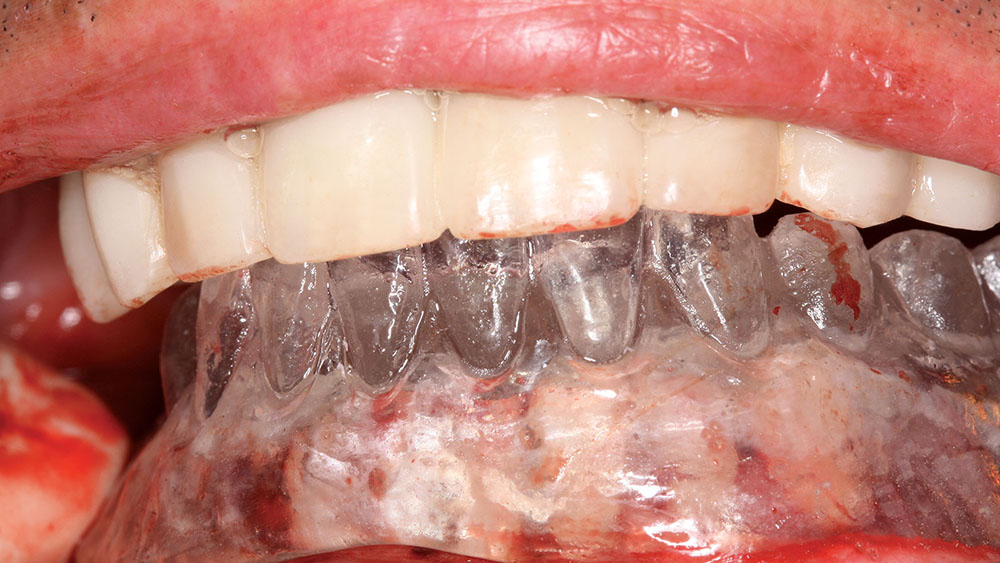
The third planning factor is the patient’s bite. Implants do not respond to pressure in the same way as natural teeth because they do not have the same ligament cushioning. That means the forces placed on them need close attention. A patient who clenches, grinds, or has an uneven bite may place excessive pressure on a new implant crown, increasing the risk of chipping, screw loosening, or strain on surrounding structures. This does not automatically rule out treatment, but it does change how the case is designed. The dentist may alter the shape of the crown, adjust the bite, or recommend a night guard to reduce long-term stress.
The fourth factor is the space available for the restoration. Replacing a tooth is not just a matter of filling a gap. The dentist needs the right amount of room between adjacent teeth, enough vertical height for the implant crown, and a suitable relationship with the opposing teeth. In some cases, the gap has narrowed because neighbouring teeth have shifted. In others, an over-erupted tooth from the opposite jaw has reduced the available height. Without proper space, the final tooth may look bulky, sit awkwardly, or compromise cleaning access. Sometimes minor orthodontic treatment is the most sensible first step, even if the patient initially expects an implant-only solution.
This stage of planning often reveals why apparently similar gaps can require very different approaches. Two patients may each be missing one molar, yet one can proceed directly to surgery while the other needs bite management and realignment before an implant is safe. In a busy city where people value efficient treatment, it can be tempting to overlook these details. A well-planned case, however, respects how the new tooth will function every day under real chewing forces, not just how it appears in a scan or photograph.
Factor Five and Factor Six: General Health and Timing of Treatment
The fifth factor is the patient’s general health and how it may affect healing. Most healthy adults can be considered for implants, but the planning process should always account for medical conditions, medication use, and lifestyle factors. Smoking remains one of the clearest concerns because it can interfere with healing and increase the risk of complications around implants. Diabetes, particularly if poorly controlled, may also influence recovery. Some medications affecting bone metabolism require careful review. Even a history of gum disease matters, since the mouth’s long-term response to plaque and inflammation can influence how an implant is maintained after placement.
The sixth factor is timing. Not every implant should be placed immediately after a tooth is removed, and not every site benefits from a long delay. The correct timing depends on infection levels, bone condition, gum stability, and cosmetic priorities. Immediate placement can reduce treatment time in selected cases, but it demands careful case selection and precise surgical control. Delayed placement may allow better healing and more predictable tissue management, especially where there has been significant damage or long-standing tooth loss. The key point is that timing is not simply about convenience. It is a clinical decision linked to the quality of the final result.
In practice, patients are often surprised that planning sometimes means slowing down. A dentist may advise dealing with active gum problems first, improving home care, or allowing an extraction site to mature before surgery. That can feel frustrating, particularly for someone who wants a quick replacement for a visible tooth. Yet good implant care is rarely about speed alone. In many cases, a few extra months at the beginning can help avoid years of disappointment later. For anyone considering implant treatment in the capital, this is one reason a dental implant London consultation should involve a full review rather than a simple discussion of cost and availability.
Factor Seven and Factor Eight: Aesthetic Positioning and Long-Term Maintenance
The seventh factor is aesthetic positioning. This becomes especially important in the front of the mouth, where even small deviations can be obvious. The implant must be placed in a position that supports a crown of the right shape while also preserving the gum contour between neighbouring teeth. If the implant sits too far forward, too deep, or too close to the next tooth, the restoration may still function but look unnatural. This is where digital planning, temporary restorations, and a clear restorative end goal become valuable. The dentist is effectively planning the visible tooth before the implant is placed, rather than trying to correct the appearance afterward.
The eighth factor is long-term maintenance. An implant is not vulnerable to decay, but it can still fail if plaque accumulates and the surrounding tissues become inflamed. Patients need to be able to clean around the final restoration properly, attend reviews, and understand that maintenance is part of the treatment rather than an optional extra. This consideration affects the design of the crown, the contour of the gums, and the number of implants proposed. In some full-mouth or multiple-tooth cases, a simpler design with better access for cleaning may be wiser than a more ambitious plan that becomes difficult to maintain at home.
Maintenance also includes realistic expectations about wear and repair. Crowns may need adjustment over time. Bite guards may be recommended for people who grind. Professional monitoring can detect early signs of gum irritation or mechanical strain before they become larger problems. A well-executed implant is not a one-off product; it is part of a living mouth that changes with age, habits, and general health. Good planning therefore extends beyond surgery day and asks a practical question: will this result still be manageable and attractive five or ten years from now?
Bringing the Eight Factors Together in a London Setting
What makes implant planning in London distinctive is not that the biology is different, but that patient expectations are often layered. Many people want rapid treatment, a discreet process, and a result that blends seamlessly with the rest of their smile. At the same time, they may have complex dental histories, previous cosmetic work, or demanding schedules that shape how treatment is sequenced. That is why the best implant planning is rarely about a single technical decision. It is about balancing health, function, aesthetics, timing, and maintenance in a way that fits the individual rather than forcing every case into the same template.
The eight factors outlined here show why thorough diagnosis matters so much. Bone support, gum quality, bite forces, restorative space, general health, treatment timing, aesthetic positioning, and long-term maintenance all influence one another. If one element is ignored, the final result may be compromised even when the surgery itself is technically sound. Patients do not need to become experts in implant design, but they do benefit from knowing what a good clinician is assessing behind the scenes. That knowledge leads to better questions, clearer expectations, and more confident decisions when comparing treatment options.
For anyone weighing up whether implants are the right solution, the most useful starting point is a consultation that explains the reasoning as well as the procedure. A careful clinician should be able to show why a certain implant position, timeline, or preparatory treatment has been recommended. In the end, successful implant dentistry is not defined only by whether an implant integrates. It is defined by whether the replacement tooth feels stable, looks appropriate, functions comfortably, and remains maintainable in everyday life. That is the real value of planning, and it is what turns a complex treatment into a durable result.
