
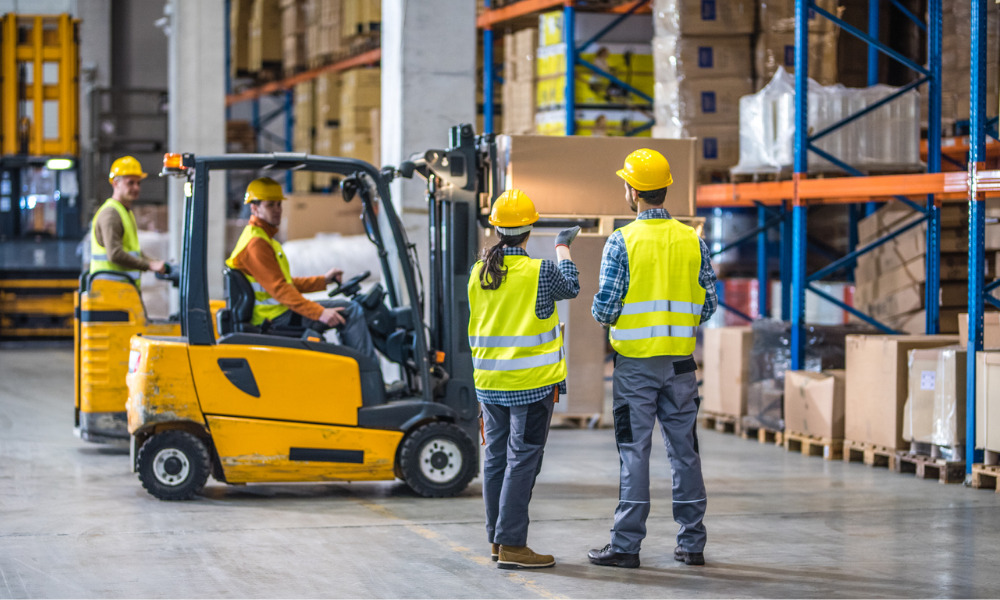
A warehouse in UAE is more than just a storage space — it’s the heart of many businesses. From logistics and manufacturing to e-commerce and retail, warehouses support smooth operations and customer satisfaction. But while the focus often remains on inventory and efficiency, there’s one area that deserves equal attention: safety. For any business operating or planning to lease a warehouse in UAE, following local safety regulations is not just about compliance — it’s about protecting your people, products, and long-term reputation.
Here are some essential warehouse safety regulations in UAE you simply can’t afford to ignore.
Fire Safety Systems Are Non-Negotiable
Every warehouse in UAE must be equipped with certified fire prevention systems. This includes fire extinguishers, sprinklers, smoke detectors, and clearly marked fire exits. Regular fire drills and training for staff are also mandatory under UAE civil defense guidelines. Whether your warehouse stores raw materials or finished goods, being ready for an emergency is essential.
Proper Lighting and Ventilation
Well-lit and properly ventilated spaces make a huge difference when it comes to workplace safety. Adequate lighting ensures that workers can move safely between shelves, avoid machinery mishaps, and identify hazards in time. Ventilation, especially in hot climates or when dealing with chemicals, prevents heat exhaustion and improves air quality — both critical for employee wellbeing.
Load Limits Must Be Followed Strictly
Overloading shelves or racks is a common mistake that can lead to accidents. Warehouses must follow clear signage that indicates maximum weight limits for each shelf or section. Using industrial-grade shelving and ensuring even distribution of weight across all storage areas are good practices that meet safety regulations.
Training for Equipment Handling
Forklifts, pallet jacks, and automated systems are often in use within a warehouse in UAE. Employees operating these tools must be trained and certified. The law also requires periodic refresher training and regular inspections of all machinery. A safe warehouse is one where both people and machines are functioning at their best.
Personal Protective Equipment (PPE) Is a Must
Wearing the right gear can prevent injuries and even save lives. Workers are expected to wear hard hats, gloves, steel-toe boots, high-visibility vests, and other PPE depending on their role. It is the employer’s responsibility to provide PPE and ensure it is used correctly and consistently.
Clear Emergency Procedures
Warehouses are required to have clear and accessible emergency response plans. Evacuation routes must be posted throughout the facility, and employees must be trained to act fast in case of fire, chemical spills, or medical emergencies. Emergency contact numbers, first-aid kits, and an assembly point should always be part of the safety setup.
Safe Storage of Hazardous Materials
If your warehouse handles chemicals, flammable items, or other hazardous materials, you need to follow additional safety regulations. These include storing items in labeled containers, maintaining separate storage areas, and ensuring quick access to spill kits. Staff working with these materials must also receive specialized training.
Regular Inspections and Maintenance
Safety regulations in UAE require routine inspections of all warehouse infrastructure — from floors and ceilings to electrical systems and fire alarms. Any cracks, leaks, or malfunctions should be fixed immediately. Preventive maintenance goes a long way in avoiding major hazards and costly downtime.
Pest Control and Cleanliness
Keeping the warehouse clean and pest-free is part of maintaining health and safety standards. Proper waste management, routine disinfection, and professional pest control services help prevent contamination and ensure hygienic storage conditions — especially important in food and pharmaceutical sectors.
Conclusion: Safety Builds Trust and Efficiency
Choosing a warehouse in UAE comes with responsibilities that go beyond rent and square footage. Prioritizing safety means protecting your workforce, preserving your assets, and meeting legal requirements. It also builds trust with clients, partners, and employees. Whether you’re setting up a new storage space or upgrading an existing one, following these warehouse safety regulations will help you operate smarter, safer, and more confidently.
