
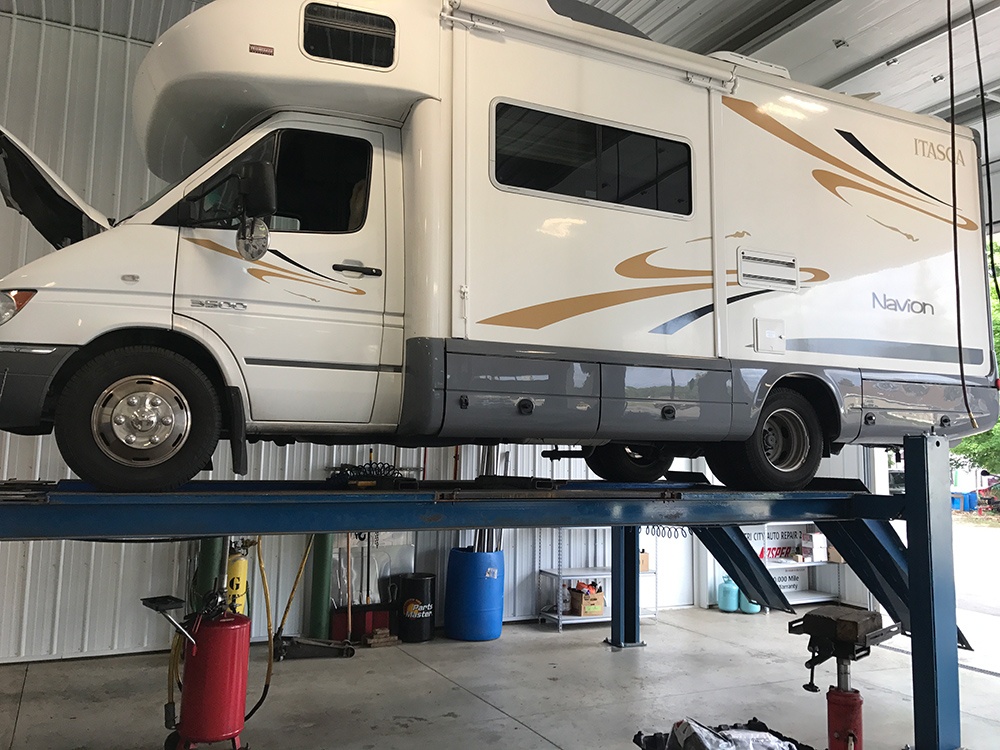
Owning a motorhome in Texas means having a world of adventure at your fingertips. But to keep those adventures running smoothly, you need to make sure your home on wheels is in good shape. Regular check-ups and a solid understanding of your vehicle’s needs can save you from big headaches and even bigger repair bills down the road. This post will walk you through what to look for, when to handle things yourself, and when it’s time to call in a professional.
Understanding Common Motorhome Issues
Signs of Wear and Tear: Catching Problems Early
As a motorhome owner in Texas, it’s a good idea to be aware of the potential wear and tear that can affect your vehicle. Regular inspections are key to catching problems before they turn into expensive repairs. Be on the lookout for things like rust, cracks in the windshield, and leaks in the plumbing or roof. For instance, water spots on walls or ceilings could be a sign of a leak; if you don’t fix it, you could end up with structural damage and mold. Also, check your tires for uneven wear and make sure they have the right amount of air, since this affects safety and gas mileage. A thorough inspection should also include checking the engine for leaks or worn belts, and paying close attention to the electrical systems for flickering lights or broken appliances. Keeping an eye out for these early signs not only extends the life of your motorhome but also makes your travels safer.
Breaking Down the Basics: Key Components to Inspect Regularly
Understanding the main parts of your motorhome is for effective maintenance and motorhome repair in Texas. Start with the engine, which is the heart of your vehicle. You should schedule regular oil changes, usually every 3,000 to 5,000 miles, depending on your motorhome’s model. Also, check the transmission fluid and coolant levels, as both are vital for engine performance. The chassis and brake systems are also important for safety; inspect brake pads, rotors, and fluid levels to ensure they respond properly. The electrical systems, including the battery, wiring, and fuses, should be checked often, since electrical failures can be a big inconvenience. Don’t forget the wastewater and fresh water systems; look for leaks in pipes and make sure appliances like the refrigerator and air conditioner are working. By regularly checking these parts, you can keep your motorhome in good condition and avoid major issues.
Seasonal Considerations: How Texas Weather Impacts Your Motorhome
The Texas climate presents special challenges for motorhome owners, affecting the maintenance and motorhome repair in Texas needed throughout the year. In the summer, the intense heat can lead to tire blowouts and battery failures if you don’t take care of them. It’s smart to regularly check your tires and maintain your batteries by keeping the terminals clean. The heat also affects your motorhome’s cooling system, so inspect hoses and coolant levels to prevent overheating on hot afternoons. In the winter, Texas can have unexpected freezes. To protect your plumbing, consider winterizing your motorhome by draining the water tanks and adding antifreeze. It’s also a good idea to check seals and weather stripping, since changing temperatures can cause leaks that lead to water damage. Knowing about these seasonal factors helps you keep your motorhome ready to go, no matter what the weather in Texas is like.
The DIY Approach: When to Repair and When to Seek Help
Equipped for Success: Essential Tools Every DIYer Should Have
Doing your own motorhome repairs can be a rewarding experience, but having the right tools is a must. You’ll need a full socket set, wrenches of different sizes, and screwdrivers to handle most minor repairs and maintenance. You should also get a multimeter to diagnose electrical issues and a torque wrench to ensure bolts are tightened correctly. A good jack and jack stands are necessary for safely lifting your motorhome for tire changes or chassis checks. Don’t forget about specialty tools. For example, a propane leak detector helps ensure your appliances are safe, and a water pressure regulator protects your plumbing. Having these tools will prepare you to handle a variety of repairs and maintenance tasks, which will save you time and money while helping you learn more about your motorhome.
Expert Techniques: Proven Methods for Common Repairs
With the right tools, it’s also helpful to learn some common repair techniques. For instance, knowing how to change your motorhome’s oil is a fundamental skill. Start by gathering the necessary materials, like the right type of oil and a new filter, and find the oil cap and drain plug on your engine. After draining the old oil, replace the filter before adding the new oil. This basic maintenance can improve your engine’s performance and lifespan. Similarly, if you have plumbing problems, knowing how to replace a leaky faucet or repair a showerhead is very useful. For electrical repairs, always disconnect the battery first to prevent shock, then follow the wiring to find the problem. Online videos can be a great resource, with step-by-step guides for many common repairs. By learning these techniques, you’ll be able to handle challenges that come up on your travels.
Knowing Your Limits: When to Call in the Pros
Even if you enjoy doing your own repairs, it’s important to know your limits. Complex repairs, especially those involving the engine or electrical systems, might be beyond the skills of an average person. If you’re dealing with transmission issues or are unsure about any repairs that involve critical safety parts like brakes, it’s best to get professional help. Also, if you find yourself spending too much time trying to fix a minor issue, it might be more affordable to hire a skilled mechanic. Consider the risks versus the benefits; sometimes the potential cost of an improper repair is much more than the cost of a professional service. By knowing when to call a professional, you can ensure your motorhome is always in the best condition, so you can enjoy your travels with confidence.
Finding the Right Repair Shop in Texas: A Guide to Local Experts
Researching Your Options: What to Consider When Choosing a Shop
When it’s time to get professional help, finding the right repair shop is crucial. Start by searching for local shops that specialize in motorhomes or RVs. Look for certifications from organizations like the RVDA (Recreational Vehicle Dealers Association), which shows a commitment to industry standards. Ask for recommendations from people you know, or check online forums for insights on local repair experiences. Also, consider the shop’s location and convenience; you’ll want a shop that understands the specific needs of motorhome owners and can perform repairs in a timely manner. Don’t forget to ask about warranties and where they get their parts, as these things can affect how happy you are with the repairs in the long run. By researching your options, you can find a trustworthy local expert who can meet your motorhome repair in Texas needs.
Reading Between the Lines: Understanding Customer Reviews and Testimonials
Customer reviews and testimonials are a great source of information when you’re choosing a repair shop. While a five-star rating is a good sign, look closer at the details of the reviews. Look for consistent feedback on the quality of service, how they communicate, and how long repairs take. Pay attention to any negative comments, as they can point to recurring issues or a lack of transparency. If possible, look for reviews from other motorhome owners, since their experiences might be more specific to your needs. Also, consider looking at industry-specific websites that rank repair shops, since these independent evaluations can shed light on the best options in your area. By reading reviews carefully, you’ll be better prepared to choose a repair shop that puts a high value on customer satisfaction and quality service.
Building Relationships: The Importance of a Trustworthy Mechanic
Building a strong relationship with a trustworthy mechanic can be just as important as finding the right shop. A reliable mechanic will not only understand your vehicle’s unique issues but also your expectations as an owner. After choosing a shop, take the time to share your vehicle’s history and any past repairs you’ve done. A good mechanic will appreciate this information and give you personalized advice for your motorhome. Regular communication about maintenance schedules and repair recommendations is also essential. You should feel confident that your mechanic is focused on your safety and your investment, not on making a quick profit. Building trust helps create open communication, so you stay informed every step of the way. A good relationship with your mechanic can lead to benefits in the long run, including peace of mind that your vehicle is in capable hands.
Maintenance Tips for Longevity: Keeping Your Motorhome Road-Ready
Routine Checklists: Maintenance Tasks You Can’t Ignore
To keep your motorhome running well and make it last longer, a complete routine checklist is a must. Create a schedule for tasks like checking tire pressure every month, inspecting and cleaning air filters, and regularly testing battery levels. Seasonal checks are also vital. For example, after winter, you should make sure your plumbing system has no damage from freezing. Before every trip, do a final check of your headlights, brake lights, and turn signals to make sure they are working, and check your oil level and other fluids. This dedication not only helps maintain your motorhome but also makes your overall experience better. By sticking to a routine maintenance checklist, you lower the risk of surprise repairs and stay safe on the road, so you can have worry-free adventures.
Investing in Upgrades: Enhancing Performance and Safety
Investing in upgrades can significantly improve both the performance and safety of your motorhome, making your travels better. Consider upgrading your braking system. Getting better brake pads or a more advanced braking system is important if you often drive in mountainous areas or carry heavy loads. You could also improve your suspension with better shock absorbers to make your ride more comfortable. Don’t forget about technology. Installing a high-quality backup camera and GPS system can help you navigate difficult terrain and be more aware of your surroundings on the road. Upgrading the interior with better insulation and energy-efficient windows can also make you more comfortable and reduce energy use. By making these upgrades, you can greatly improve the safety and enjoyment of your travels.
Seasonal Prep: Ready Your Motorhome for Texas Adventures
Texas has a lot of outdoor adventures to offer, so it’s important to get your motorhome ready for each season. To prepare for summer travel, check your air conditioning, clean the refrigerator, and make sure the generator works smoothly for those hot days. When winter is coming, winterizing your motorhome can protect it from damage caused by freezing. This includes draining and flushing the freshwater system and checking for cracks or leaks in the exterior. When you’re not using your motorhome, store it properly; consider using a breathable cover to protect it from debris and sun damage. Each season has its own set of preparation needs, and by getting your motorhome ready for these conditions, you can be sure to have seamless adventures no matter what time of year it is.
